Shimao Ruins
Introduction
The Shimao Ruins, located in Shenmu, Shaanxi province, are an archaeological site of immense historical significance, dating back approximately 4,300 years. These ruins mark the location of a neolithic city that thrived before being abandoned around 300 years later during the Xia Dynasty, known as the first dynasty in China as per historical chronicles. This ancient site offers a glimpse into the early stages of Chinese civilization, challenging previously held beliefs about its geographical and chronological origins.
Archaeological Discoveries
Over the past decade, excavations at the Shimao Ruins have unveiled a sophisticated stone city fortified with immense defensive structures and elaborate infrastructure. Among the most striking discoveries is a 230-foot-high stepped pyramid, which stands as a hallmark of the city's architectural ingenuity. The site has also yielded thousands of luxurious artifacts, including jade, bronze, stone, and bone relics, as well as pottery items, which speak volumes about the opulence and complexity of the society that once inhabited it.
Historical Significance
The Shimao Ruins are particularly noteworthy not only for their age but also for their peripheral location. Traditionally, Chinese civilization was thought to have developed primarily in the Central Plains, yet Shimao's existence predates this by approximately 500 years. This has led scholars to re-evaluate the narrative of early Chinese history, positioning Shimao as a pivotal site in understanding the formation and evolution of ancient Chinese civilization.
Site Features and Structure
Covering an area of 4 million square meters, Shimao is the largest city ruin of its era in China, nearly six times the size of the Forbidden City in Beijing. The stone walls of Shimao are remarkable for their preservation and scale, with some sections standing 5 meters high and stretching over 10 kilometers in total length. These fortifications suggest a highly organized society with the capability to mobilize significant human resources for construction and defense.
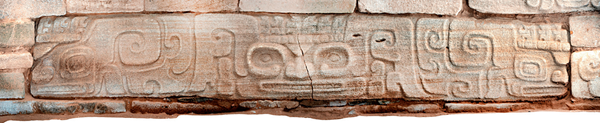
The Huangchengtai site, meaning "the terrace of a royal city," serves as the central focus of Shimao. It features exquisitely designed gates and protective walls along with ruins of grand architecture, indicating its role as a core hub of political and religious activities. The discovery of over 40,000 relics, including jade and bronze artifacts, as well as evidence of artistic expression like stone reliefs and mouth harps, points to a rich cultural and economic center.
Cultural and Historical Impact
Shimao's discovery and subsequent study have significantly impacted the understanding of early civilization in East Asia. It has been recognized as one of the top archaeological discoveries of the past decade by the Archaeology journal, underscoring its importance. The site has also prompted international academic interest, leading to studies that compare its development with contemporaneous sites in Mesopotamia and the Indus Valley.
This ancient metropolis challenges conventional definitions of civilization, which often emphasize the presence of metallurgy and written characters. Instead, Shimao offers an alternative narrative, highlighting social structures, ritual systems, and intercultural exchanges as critical components of a complex society. In doing so, it enriches the global discourse on ancient civilizations, showcasing the diverse paths through which human communities have evolved and contributed to the tapestry of world history.
Challenges and Future Research
Despite the wealth of information unearthed at Shimao, many mysteries remain unresolved. The site's relationship with nearby contemporaneous settlements, like the Taosi site, and distant cultures, such as the Liangzhu Culture, requires further exploration. The presence of ceremonial jade artifacts from regions over 1,600 kilometers away suggests long-distance communication and exchange networks, the mechanisms of which are yet to be fully understood.
Ongoing research aims to unravel these complexities, utilizing interdisciplinary approaches that combine archaeology, natural sciences, and historical documentation. The findings from Shimao continue to reshape scholarly perspectives on the origins and development of Chinese civilization, offering new insights into the processes that have shaped human societies across time and space.
In conclusion, the Shimao Ruins stand as a testament to the ingenuity and complexity of ancient societies, providing invaluable context for the study of early human civilization. As research progresses, Shimao promises to yield even more discoveries that will enrich the historical narrative of not only China but the world at large.








